Bihar Discoms Bid for 275 MW Solar on 2.5 Lakh BPL Roofs
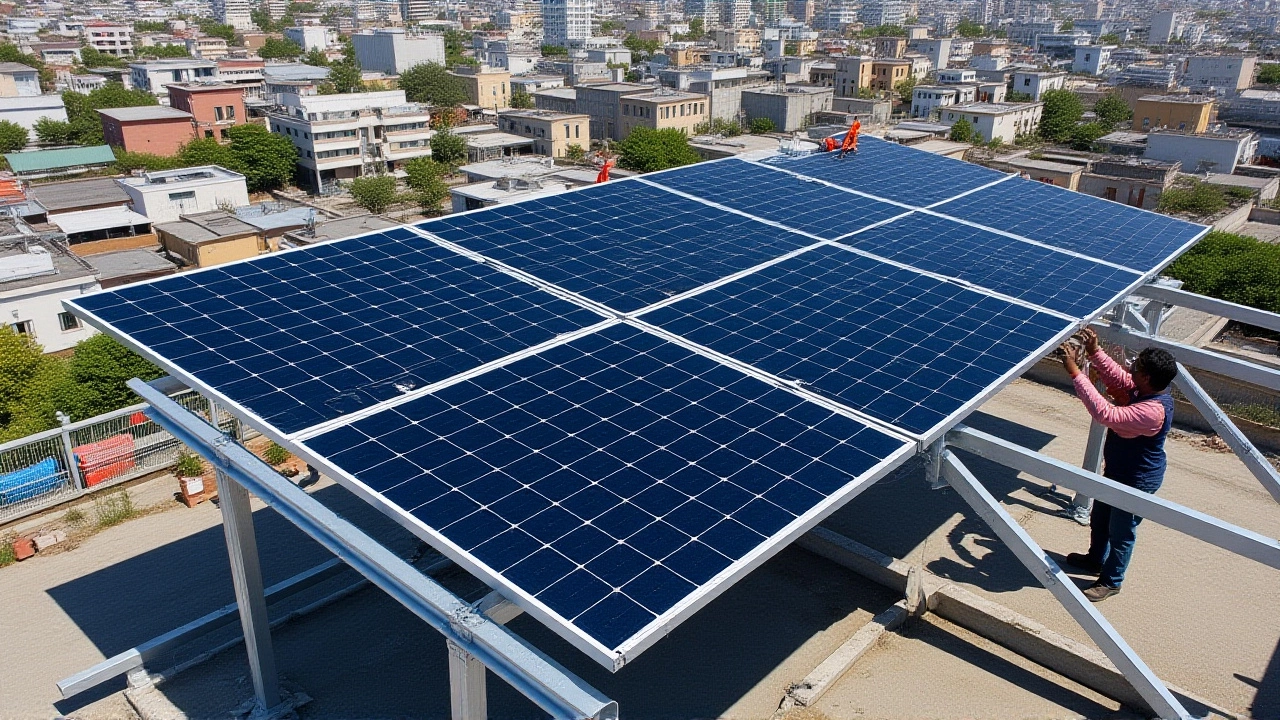
When South Bihar Power Distribution Company (SBPDCL) announced a massive tender last week, it wasn’t just another bureaucratic filing. It was a signal that the dream of free electricity for millions of low-income Indians is moving from policy papers to actual rooftops. The utility invited bids to install 275 megawatts of grid-connected solar power across 250,000 Below Poverty Line (BPL) homes in Bihar.
The move, reported by Energetica India on 3 January 2026, targets the state’s most vulnerable consumers—those under the Kutirjyoti scheme who often struggle with basic power access. By linking these households directly to the national PM Surya Ghar Muft Bijli YojanaIndia, the state is attempting to turn poverty alleviation into an energy independence story.
A New Model for Rural Energy
Here’s the thing: this isn’t your typical solar installation where homeowners pay upfront and wait years to see returns. This tender operates under a hybrid CAPEX plus RESCO (Renewable Energy Service Company) model. In plain English? Private developers install and maintain the panels, while the distribution companies aggregate the demand.
The scope is staggering. The 275 MW capacity will be spread across 18 electricity circles—nine each in SBPDCL and North Bihar Power Distribution Company (NBPDCL). Each of the 2.5 lakh homes will get roughly 1.1 kilowatts of solar capacity. That might sound small, but for a family using minimal power, it’s enough to cover their entire monthly consumption.
Bidders have until 3:00 PM on 30 January 2026 to submit proposals. Techno-commercial bids open immediately after at 4:00 PM. The entry fee? A modest ₹29,500 for documents, plus an Earnest Money Deposit of ₹1 lakh per MW. It’s a tight window, but the prize—a guaranteed long-term contract with state utilities—is worth the rush.
The National Backdrop: Free Power Promise
To understand why Bihar is making such a big play, you have to look at the national stage. Narendra Modi, Prime Minister of India, launched the PM Surya Ghar scheme in February 2024 with a bold promise: 300 units of free electricity per month for one crore households.
The central government has allocated over ₹75,000 crore for this initiative. Subsidies are direct cash transfers via DBT (Direct Benefit Transfer), ranging from ₹30,000 to ₹78,000 depending on system size. For a household consuming under 150 units a month, a 1–2 kW system covers most costs. For higher users, the subsidy caps at ₹78,000 for systems above 3 kW.
But here’s the twist: while wealthier families can easily access these subsidies, BPL households often lack the capital for even the remaining balance. That’s where Bihar’s approach differs. Instead of waiting for individual applications, the state is proactively procuring installations for its poorest citizens, effectively removing the financial barrier entirely.
From Awareness to Action
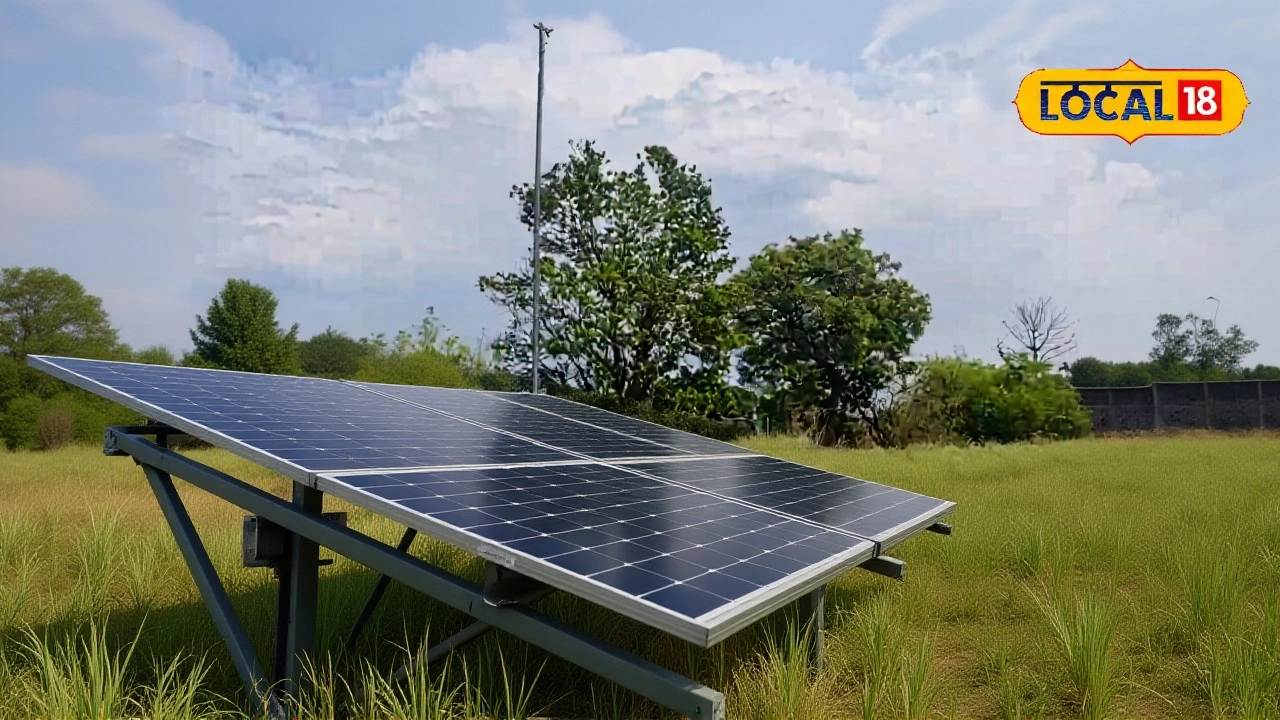
This didn’t happen overnight. If you trace the timeline, you’ll see a deliberate buildup. On 16 December 2024, public awareness programs were already underway in Motihari, educating residents about the scheme. Fast forward to 6 May 2026, and Nalanda district hosted a “Solar Loan Mela” targeting 10,000 BPL and 2,000 non-BPL households.
These events weren’t just PR stunts. They were groundwork. By combining central subsidies with local loan facilitation, Bihar is creating a funnel that moves households from skepticism to installation. The recent tender is the culmination of that effort—scaling up what started as pilot awareness campaigns into a statewide infrastructure project.
Local officials argue this creates a dual benefit: clean energy adoption and job creation. Every panel installed requires labor for mounting, wiring, and maintenance. In a state grappling with unemployment, those jobs matter just as much as the watts generated.
What’s Next for Developers?
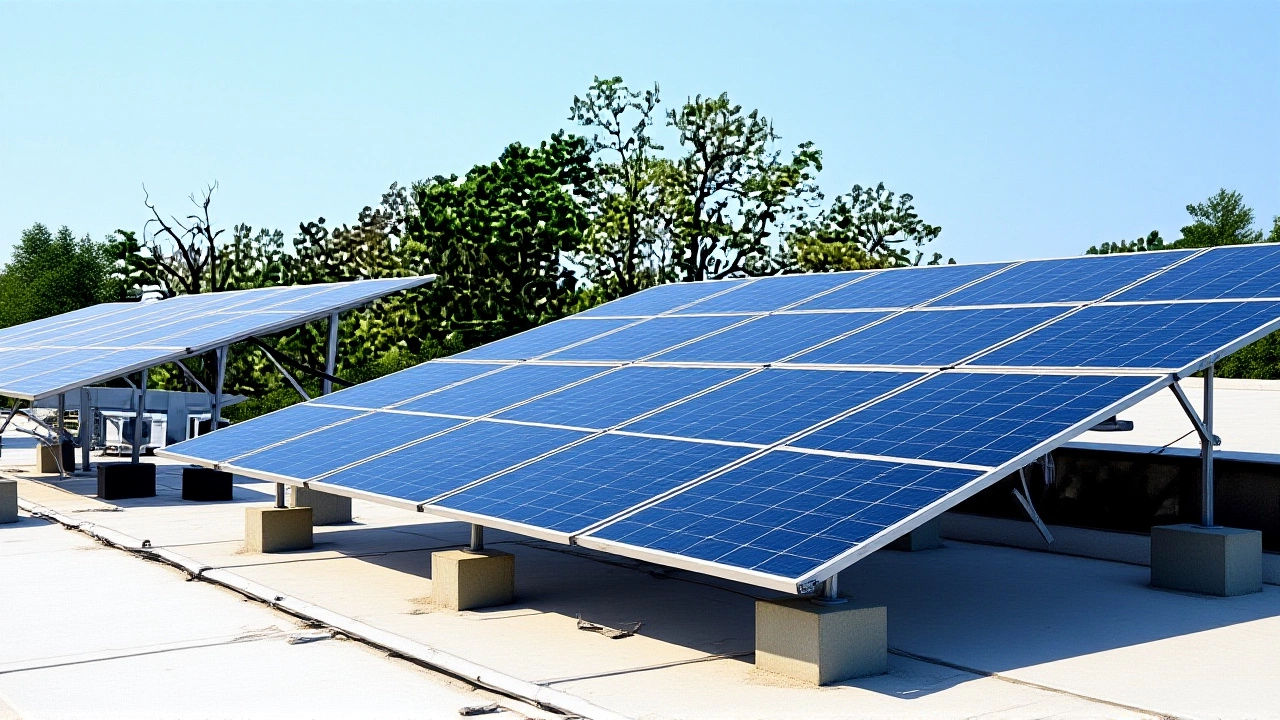
For solar developers, the Bihar tender represents a rare opportunity: volume with security. Unlike residential markets where customer acquisition is costly and churn is high, this is a bulk procurement deal with state-backed payment guarantees.
However, execution will be the real test. Installing 250,000 systems simultaneously requires logistical precision. Vendors must coordinate with DISCOMs for net-metering approvals, ensure structural integrity of rural roofs, and manage supply chains for inverters and panels. Any delay could ripple through the entire timeline.
If successful, this model could become a blueprint for other states. Imagine if Uttar Pradesh or Madhya Pradesh adopted similar utility-led aggregation models. The scale of India’s rooftop solar potential would shift from theoretical to tangible within months.
Frequently Asked Questions
Who qualifies for the 275 MW solar tender in Bihar?
The tender specifically targets kutirjyoti BPL (Below Poverty Line) households registered under the state’s welfare schemes. These are families who previously received subsidized electricity rates but now stand to gain zero-bill status through solar integration. Non-BPL households are not part of this specific tender but may apply individually through the national portal.
How much does a household pay for the solar installation?
Under this CAPEX-plus-RESCO model, the households pay nothing upfront. The private developer installs and maintains the system, while the DISCOM pays the developer for the power generated. Beneficiaries receive up to 300 units of free electricity monthly. Any excess power fed back to the grid may earn additional credits, though details vary by state tariff policies.
When will the solar panels actually be installed?
While the bid submission deadline is 30 January 2026, installation timelines depend on contract finalization. Typically, large-scale tenders like this take 3–6 months for vendor selection and mobilization. Assuming a smooth process, installations could begin by mid-2026, with full rollout potentially extending into 2027 given the sheer volume of 250,000 homes.
Can I apply if I live in a non-BPL category?
Yes, but not through this specific tender. Non-BPL households can apply directly via the PM Surya Ghar online portal. You’ll need to provide proof of ownership, a valid electricity connection, and bank details for subsidy transfer. Subsidies range from ₹30,000 to ₹78,000, and you can avail concessional loans for the remaining cost.
What happens if my roof isn’t suitable for solar panels?
During the feasibility assessment conducted by the DISCOM, engineers evaluate roof strength, shading, and orientation. If your roof is unsuitable, you may be excluded from this specific tender batch. However, you can still explore community solar projects or wait for future phases where alternative mounting structures might be considered. Always consult your local DISCOM office for technical guidance.