Trump Claims Iran Will Join Abraham Accords, Reshaping Middle East
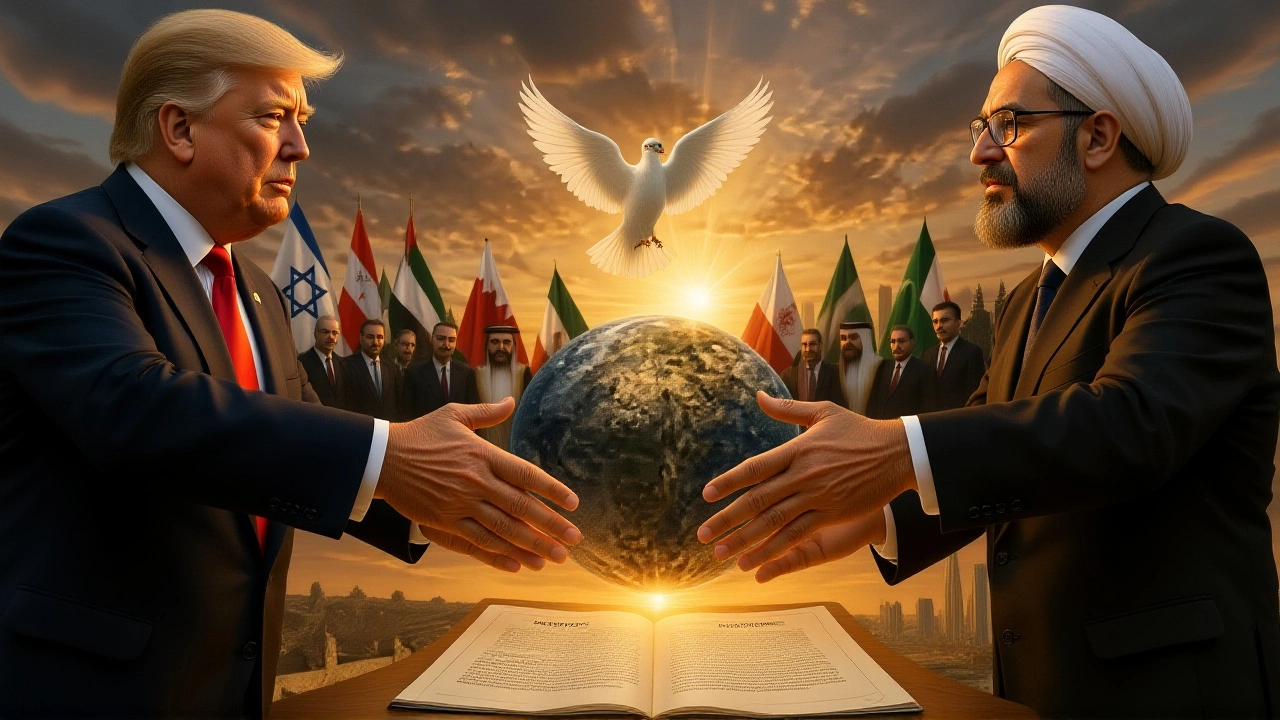
When Donald Trump, President of the United States, recently suggested that Iran could soon join the Abraham Accords, the geopolitical landscape of the Middle East shifted on its axis. It’s a bold claim—one that has sent ripples through diplomatic circles and raised eyebrows from Tehran to Jerusalem. If true, this would mark the most significant realignment in regional politics since the accords were first signed in 2020.
The twist? Iran hasn’t exactly been knocking down doors to normalize ties with Israel. In fact, Tehran has publicly dismissed Trump’s assertions, sticking firmly to its own conditions for any potential deal. Yet, the American president isn’t backing down. He’s pushing hard for a broader coalition, urging Muslim-majority nations to follow suit after an eventual ceasefire or agreement between Washington and Tehran.
The Push for Expansion
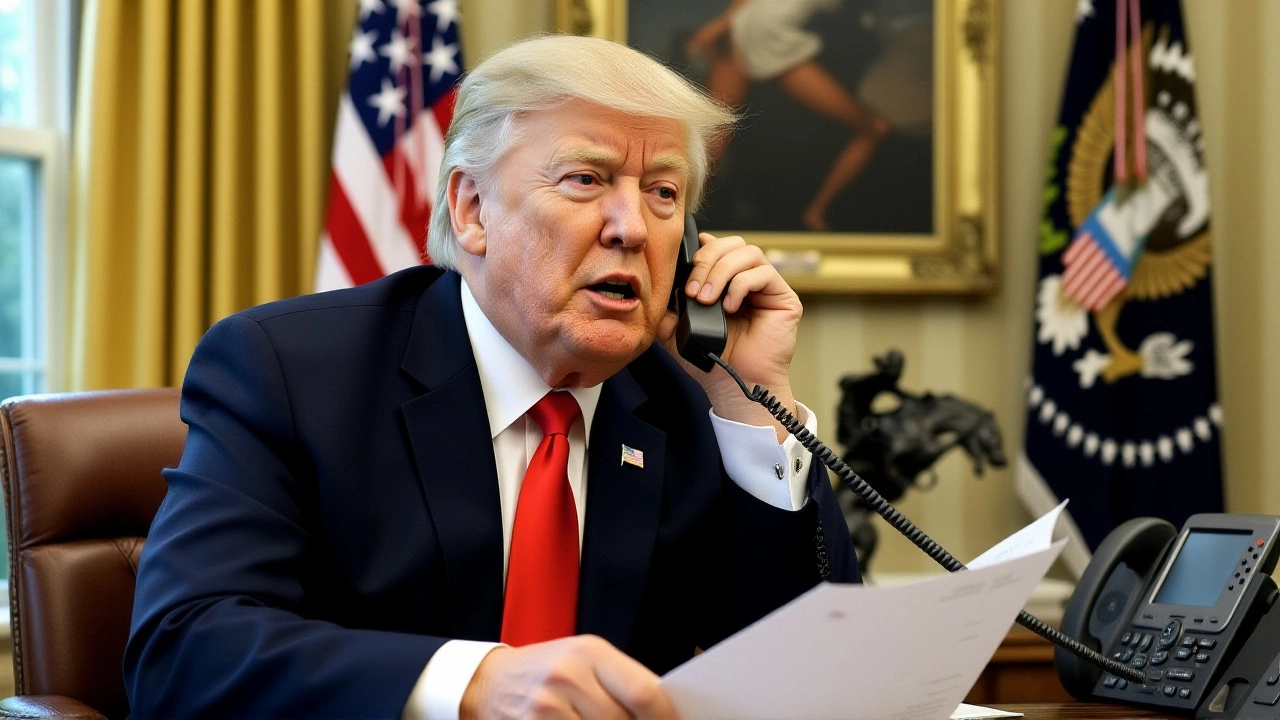
Here’s the thing: The Abraham Accords aren’t just a single treaty. They’re a framework—a series of agreements designed to normalize relations between Israel and various Arab states. Since their inception in September 2020, the UAE, Bahrain, Morocco, Sudan, and Kazakhstan have joined the fold. But Trump sees bigger things ahead. According to reports from Axios and cited by Navbharat Times, he held a conference call on Saturday involving leaders from Saudi Arabia, Qatar, Pakistan, Turkey, Egypt, Jordan, and Bahrain.
During these discussions, Trump emphasized improving ties between Muslim nations and Israel, hinting that once hostilities with Iran cease, more countries should sign onto the accords. His goal? To create what he calls a "historic alliance" across West Asia. For now, though, those targeted nations haven’t issued official responses. Silence speaks volumes in diplomacy, doesn’t it?
Key Players and Their Stances
Let’s break down who’s involved and where they stand. On one side, you’ve got key supporters like Mohammed bin Zayed Al Nahyan, President of the United Arab Emirates, whose administration has already embraced closer ties with Israel. Then there’s speculation about Mohammed bin Salman, Crown Prince of Saudi Arabia, reportedly willing to recognize Israel—but only if certain conditions are met. Meanwhile, King Salman remains cautious, acting as something of a brake on rapid change within Riyadh.
On the other end sits Benjamin Netanyahu, Prime Minister of Israel, who has welcomed the idea but appears sidelined when it comes to direct negotiations over Iran. And then there’s Iran itself, which continues to reject Trump’s claims outright, insisting on its terms rather than capitulating to external pressure.
What Does This Mean for Regional Stability?
If successful, expanding the Abraham Accords could reshape trade routes, security partnerships, and even tourism flows across the region. Imagine direct flights connecting Dubai to Tel Aviv or joint military exercises between Gulf states and Israeli forces. These aren’t pipe dreams—they’re possibilities already taking shape among existing members.
But wait—there’s a catch. Normalizing relations isn’t without risks. Critics argue that sidelining Palestinian concerns might fuel unrest elsewhere. Plus, bringing Iran into the mix adds another layer of complexity. After all, Tehran views Israel as an existential threat. Convincing them otherwise won’t be easy.
Looking Ahead: What’s Next?
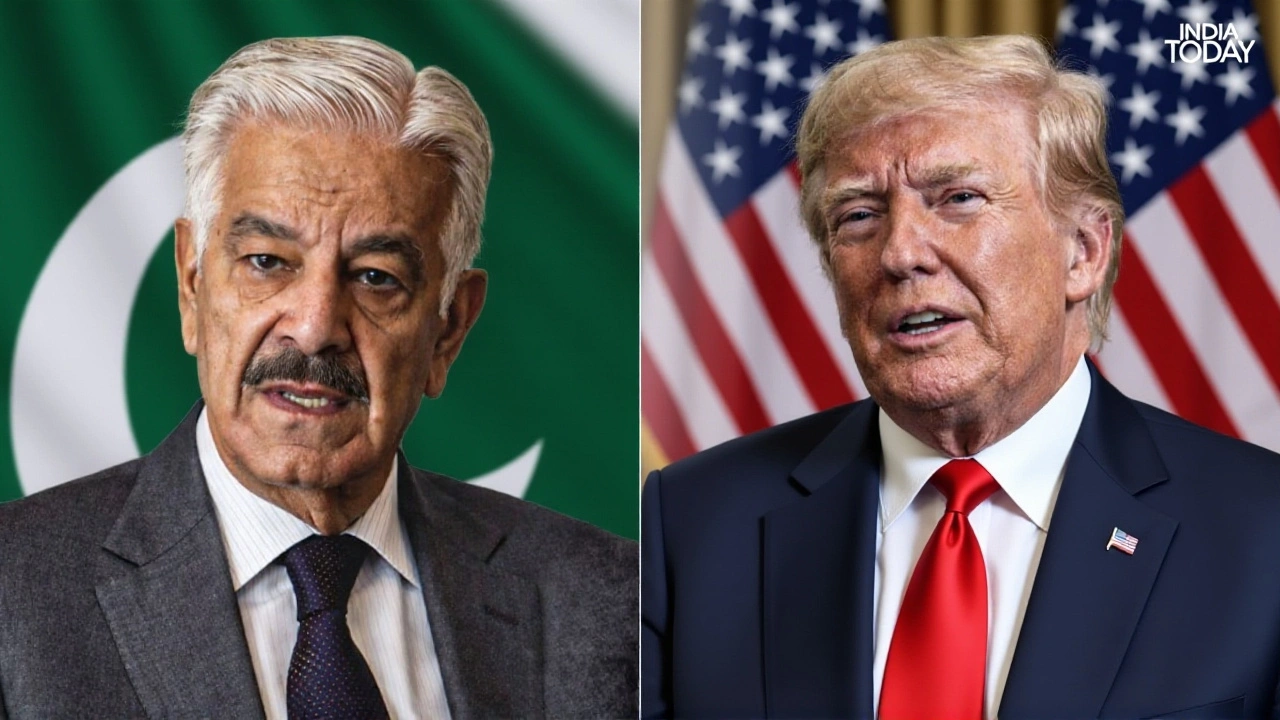
For now, the ball is in multiple courts. Will Saudi Arabia take the leap? Can Pakistan resist U.S. pressures while maintaining ideological consistency? How will Turkey respond given its historical tensions with both Israel and Western powers? Only time will tell.
In the meantime, keep an eye on upcoming summits and bilateral meetings. Diplomacy moves slowly, but every phone call counts. As analysts note, this could indeed be a turning point—or merely another chapter in decades-long conflicts. Either way, the stakes couldn’t be higher.
Frequently Asked Questions
What are the Abraham Accords?
The Abraham Accords are a series of normalization agreements brokered by the U.S., aimed at fostering peace and cooperation between Israel and several Arab/Muslim-majority countries. Signed starting in 2020, they cover areas like trade, tourism, direct flights, embassies, and security collaboration.
Why does Iran matter in this context?
Iran plays a pivotal role because it opposes Israel’s existence and seeks influence across the Middle East. Bringing Iran into the fold—or neutralizing its opposition—could stabilize the region significantly. However, Tehran has rejected such proposals so far.
Which countries have already joined the Abraham Accords?
As of now, the United Arab Emirates, Bahrain, Morocco, Sudan, and Kazakhstan have officially participated in the Abraham Accords process, establishing formal diplomatic and economic ties with Israel.
Is Saudi Arabia likely to join next?
There’s growing speculation around Crown Prince Mohammed bin Salman potentially supporting normalization with Israel. However, King Salman’s stance remains uncertain, making any move contingent on internal dynamics and broader regional developments.
How does this affect global geopolitics?
Expanding the Abraham Accords could redraw alliances, impact energy markets, and alter balance-of-power equations globally. It also signals shifting priorities among traditional rivals, offering new opportunities—and challenges—for international stakeholders.